Herbal Tea Guide: A Comprehensive Overview (Updated 04/28/2026)
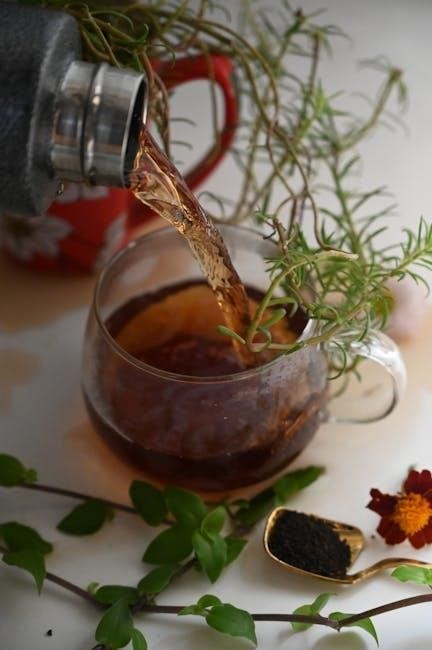
Herbal teas‚ celebrated for refreshment and health benefits‚ offer a comforting ritual. From aiding digestion to hormone balance‚ explore a world of flavorful wellness today!
Herbal teas‚ often called tisanes‚ represent a delightful and healthful beverage enjoyed globally for centuries. Unlike traditional teas derived from the Camellia sinensis plant‚ herbal teas are infusions made from herbs‚ spices‚ flowers‚ fruits‚ and other botanical sources. This broad definition allows for an incredible diversity of flavors and potential wellness benefits.
The appeal of herbal teas lies in their naturally caffeine-free nature and their association with holistic health practices. From soothing chamomile before bed to invigorating peppermint after a meal‚ these beverages offer a gentle way to support well-being. Modern interest in natural remedies has further fueled the popularity of herbal teas‚ with consumers actively seeking options to complement their lifestyle.
Today‚ readily available through various channels‚ herbal teas provide a convenient and enjoyable path to explore the power of plants and enhance daily routines. They are a testament to the enduring connection between nature and human health.
What Defines an Herbal Tea? (Tisanes vs. True Teas)
The key distinction lies in their origin. “True teas” – black‚ green‚ white‚ oolong‚ and pu-erh – all originate from the Camellia sinensis plant. Herbal teas‚ however‚ are properly called tisanes. Tisanes are infusions made from any other plant material‚ including herbs‚ spices‚ flowers‚ fruits‚ and roots; This fundamental difference impacts their chemical composition and effects.
True teas naturally contain caffeine‚ while most herbal teas are caffeine-free‚ making them ideal for evening consumption. The flavor profiles also diverge significantly. True teas offer nuanced tastes based on oxidation and processing‚ while tisanes boast a wider range‚ from floral and fruity to spicy and earthy.
Understanding this distinction is crucial for informed choices. While both offer hydration‚ their benefits and effects differ. Herbal teas provide plant-specific compounds‚ while true teas deliver the benefits associated with Camellia sinensis.
The History of Herbal Tea Consumption
Herbal tea’s history stretches back millennia‚ predating true tea consumption. Evidence suggests ancient Egyptians utilized herbal infusions for medicinal purposes‚ as far back as 1550 BC. Traditional Chinese Medicine (TCM) has long incorporated herbal remedies‚ with documented use dating back centuries‚ employing plants like ginger and chrysanthemum.
Indigenous cultures worldwide independently discovered the benefits of various plants‚ creating unique herbal traditions. In Europe‚ monasteries cultivated “herb gardens‚” utilizing plants for healing and flavoring. The Roman and Greek civilizations also documented herbal remedies.
The rise of global trade facilitated the spread of herbal knowledge. While true tea gained prominence in the East‚ herbal infusions remained a staple in many cultures‚ valued for their accessibility and diverse health properties. Today‚ this ancient practice continues‚ blending tradition with modern wellness trends.
Popular Herbal Tea Varieties & Their Benefits
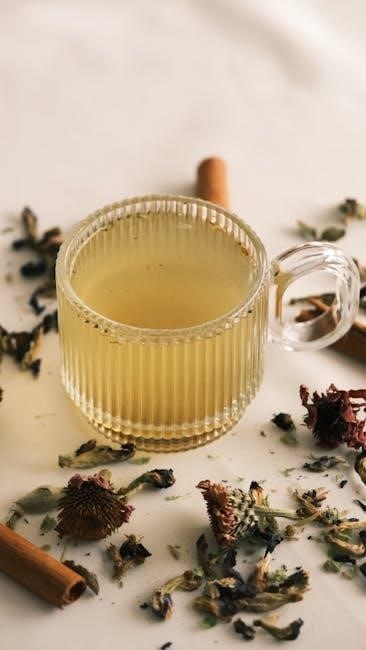
Discover a diverse range of herbal teas! From chamomile’s calming effects to peppermint’s digestive aid‚ explore options like ginger‚ hibiscus‚ rooibos‚ and echinacea.
Chamomile Tea: For Relaxation and Sleep
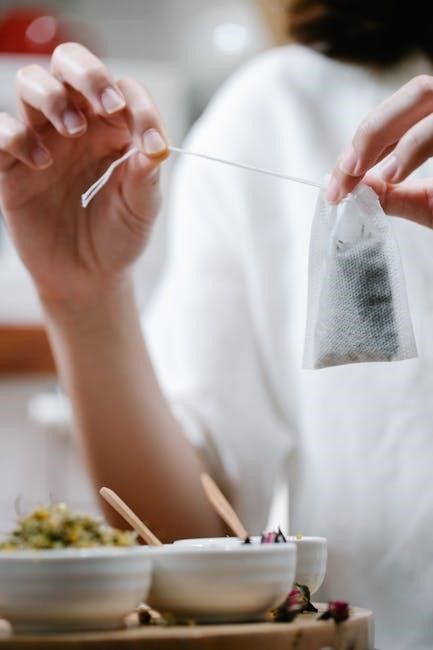
Chamomile tea is renowned for its gentle‚ floral aroma and calming properties. Historically used for centuries‚ it’s a popular choice for promoting relaxation and improving sleep quality. The tea contains compounds like apigenin‚ an antioxidant that may bind to certain receptors in the brain that could decrease anxiety and initiate sleep.
Beyond sleep‚ chamomile may offer mild digestive benefits‚ soothing stomach upset and reducing bloating. It’s often enjoyed before bedtime as a caffeine-free alternative to other beverages. Brewing chamomile involves steeping the dried flowers in hot water for 5-10 minutes‚ releasing its delicate flavor and beneficial compounds.
While generally safe‚ some individuals may experience allergic reactions‚ particularly those allergic to ragweed. Enjoy chamomile tea as a comforting and natural way to unwind and prepare for a restful night.
Peppermint Tea: Digestive Aid & Refreshment
Peppermint tea is a vibrant and invigorating beverage‚ celebrated for its refreshing flavor and potent digestive benefits. The active compound‚ menthol‚ is responsible for many of these effects‚ helping to relax the muscles of the gastrointestinal tract. This can alleviate symptoms of indigestion‚ bloating‚ and gas‚ making it a popular post-meal remedy.
Beyond digestion‚ peppermint tea can also soothe headaches and clear sinuses due to menthol’s decongestant properties. It offers a naturally caffeine-free energy boost‚ providing a revitalizing alternative to coffee or other stimulating drinks. Brewing peppermint tea is simple – steep the leaves in hot water for 5-8 minutes.
However‚ individuals with GERD (gastroesophageal reflux disease) should consume peppermint tea cautiously‚ as it may relax the esophageal sphincter‚ potentially worsening symptoms.
Ginger Tea: Nausea Relief & Anti-Inflammatory Properties
Ginger tea‚ derived from the rhizome of the Zingiber officinale plant‚ is renowned for its powerful medicinal properties‚ particularly its ability to alleviate nausea. It’s a time-honored remedy for motion sickness‚ morning sickness during pregnancy‚ and chemotherapy-induced nausea. The active compounds‚ gingerols‚ are believed to be responsible for these effects‚ calming the stomach and reducing feelings of discomfort.
Beyond nausea relief‚ ginger boasts significant anti-inflammatory properties‚ potentially easing symptoms of arthritis and muscle soreness. It can also aid digestion‚ reduce bloating‚ and even boost the immune system. Preparing ginger tea involves simmering fresh ginger slices in hot water for 10-20 minutes‚ creating a warming and spicy brew.
While generally safe‚ excessive ginger consumption may cause mild heartburn or stomach upset in some individuals.
Hibiscus Tea: Rich in Antioxidants & Tart Flavor
Hibiscus tea‚ crafted from the vibrant‚ dried calyces of the Hibiscus sabdariffa flower‚ is celebrated for its striking ruby-red hue and delightfully tart flavor. Beyond its aesthetic appeal‚ hibiscus tea is a powerhouse of antioxidants‚ particularly anthocyanins‚ which combat free radicals and may protect against cellular damage.
Regular consumption of hibiscus tea has been linked to several health benefits‚ including potential blood pressure reduction and improved cholesterol levels. Some studies suggest it may also support liver health. The tea offers a refreshing alternative to sugary beverages and can be enjoyed hot or iced.
Brewing hibiscus tea is simple: steep dried hibiscus flowers in hot water for 5-10 minutes. A touch of honey or lemon can balance the tartness. However‚ individuals with low blood pressure should consume it cautiously.
Rooibos Tea (Red Tea): Caffeine-Free & Mineral-Rich
Rooibos tea‚ often called “red tea‚” originates from South Africa and is derived from the Aspalathus linearis shrub. Unlike traditional teas‚ rooibos is naturally caffeine-free‚ making it an excellent choice for those sensitive to stimulants or seeking a relaxing evening beverage. Its reddish-brown color develops during the oxidation process‚ similar to black tea production.
Rooibos is remarkably rich in minerals like iron‚ potassium‚ calcium‚ and magnesium‚ contributing to overall health and well-being. It also contains antioxidants‚ including aspalathin and nothofagin‚ which may offer protective benefits against various diseases. The flavor profile is naturally sweet and slightly nutty.
Brewing rooibos is straightforward – steep the leaves in boiling water for 5-7 minutes. It pairs well with milk‚ honey‚ or lemon‚ offering a versatile and healthful drinking experience.
Echinacea Tea: Immune System Support
Echinacea tea‚ brewed from the roots‚ leaves‚ and flowers of the Echinacea plant‚ is widely recognized for its immune-boosting properties. Traditionally used by Native American tribes‚ it’s now a popular remedy for combating colds‚ flu‚ and other respiratory infections.
The tea is believed to stimulate the production of white blood cells‚ enhancing the body’s natural defenses. Studies suggest echinacea may reduce the duration and severity of cold symptoms when taken at the first sign of illness. It contains compounds like alkylamides and cichoric acid‚ thought to contribute to its immune-modulating effects.
Echinacea tea typically has a slightly earthy and floral flavor. It’s best consumed in moderation‚ as prolonged use may diminish its effectiveness. Consult a healthcare professional before use‚ especially if you have autoimmune disorders.
Herbal Teas for Specific Health Concerns
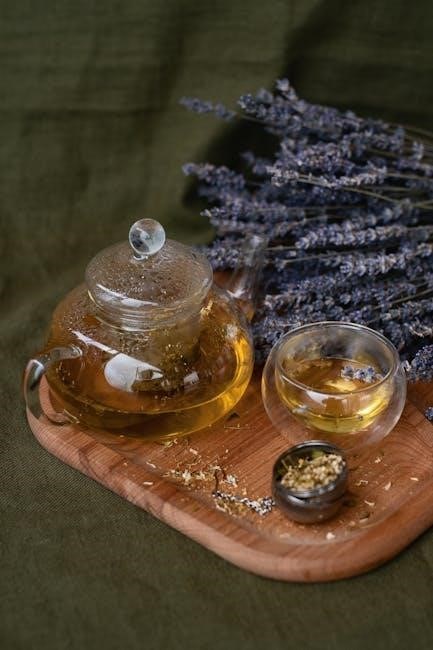
Targeted herbal infusions offer relief for various ailments. From digestive issues and stress to women’s health and cold symptoms‚ discover nature’s remedies!
Herbal Teas for Digestive Health
Supporting a healthy gut is crucial for overall well-being‚ and several herbal teas excel in aiding digestion. Peppermint tea stands out as a classic remedy‚ known to soothe stomach upset‚ reduce bloating‚ and alleviate indigestion. Its menthol content relaxes the digestive muscles‚ promoting smoother passage of food.
Ginger tea is another powerful ally‚ particularly effective in combating nausea and vomiting. It stimulates digestive enzymes and can help relieve gas and cramping. Beyond these‚ chamomile tea offers gentle support‚ calming the digestive tract and reducing inflammation.
Furthermore‚ certain teas like fennel and anise can help reduce bloating and gas. Regularly incorporating these herbal infusions into your routine can contribute to a happier‚ healthier digestive system‚ promoting comfort and nutrient absorption.
Herbal Teas for Stress and Anxiety
Finding moments of calm in a busy world is essential‚ and herbal teas offer a natural pathway to relaxation. Chamomile tea remains a cornerstone for stress relief‚ containing compounds that may promote sleepiness and reduce anxiety. Its gentle floral aroma further enhances its calming effect.
Lavender tea is another excellent choice‚ known for its soothing properties and ability to ease nervous tension. Lemon balm tea‚ a member of the mint family‚ can also help reduce stress and improve mood.
Passionflower tea is traditionally used to alleviate anxiety and insomnia‚ promoting a sense of tranquility. Regularly sipping these herbal infusions can be a simple yet effective way to manage daily stress‚ fostering a greater sense of peace and well-being.
Herbal Teas for Women’s Health (Spearmint & Hormone Balance)
Herbal teas can play a supportive role in women’s health‚ particularly concerning hormonal balance. Spearmint tea has gained attention for its potential to reduce androgen levels‚ making it beneficial for managing conditions like hirsutism – excessive hair growth often seen around the face. This effect stems from spearmint’s anti-androgenic properties.
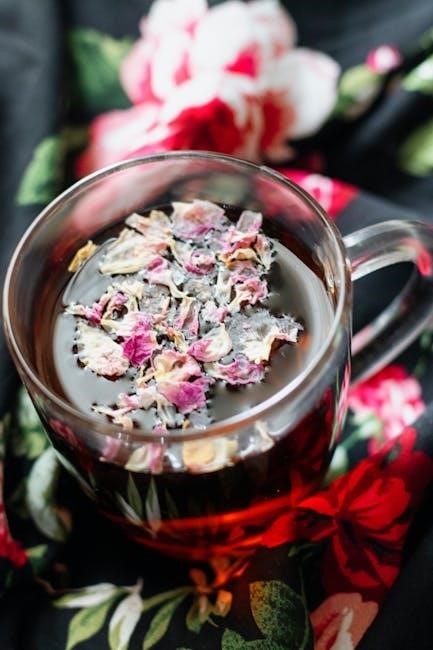
Regular consumption may help regulate menstrual cycles and alleviate symptoms of Polycystic Ovary Syndrome (PCOS). Beyond spearmint‚ other teas like raspberry leaf tea are traditionally used to tone the uterus and prepare for childbirth‚ though caution is advised during pregnancy.
It’s crucial to remember that herbal remedies aren’t a replacement for medical advice; however‚ incorporating spearmint tea can be a gentle‚ natural addition to a holistic wellness approach.
Herbal Teas for Cold & Flu Symptoms
Herbal teas offer soothing relief during colds and flu‚ leveraging natural properties to ease symptoms. Ginger tea is renowned for its ability to combat nausea and possesses potent anti-inflammatory effects‚ helping to soothe a sore throat. Echinacea tea is a popular choice for boosting the immune system‚ potentially shortening the duration of illness.
Peppermint tea can help decongest nasal passages and relieve headaches often associated with colds. Chamomile tea‚ with its calming properties‚ promotes restful sleep – crucial for recovery. Adding honey and lemon to any of these teas provides additional soothing benefits and vitamin C.
Remember to stay hydrated and consult a healthcare professional for persistent or severe symptoms. Herbal teas are a supportive measure‚ not a cure.
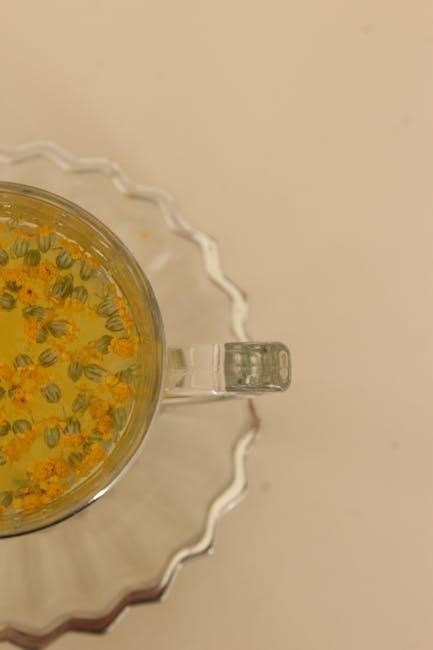
Cinnamon Tea: Blood Sugar Regulation & Warmth
Cinnamon tea is more than just a comforting‚ warming beverage; it boasts potential health benefits‚ particularly regarding blood sugar regulation. Studies suggest cinnamon may improve insulin sensitivity‚ aiding in the management of blood glucose levels – a valuable asset for individuals with‚ or at risk of‚ type 2 diabetes.
Beyond its metabolic effects‚ cinnamon tea is rich in antioxidants‚ protecting the body against free radical damage. Its naturally sweet and spicy flavor makes it a delightful alternative to sugary drinks. Enjoying a cup can also provide a gentle energy boost without the jitters associated with caffeine.
However‚ moderation is key. Consult with a healthcare professional before incorporating cinnamon tea into your routine‚ especially if you have pre-existing health conditions or are taking medications.
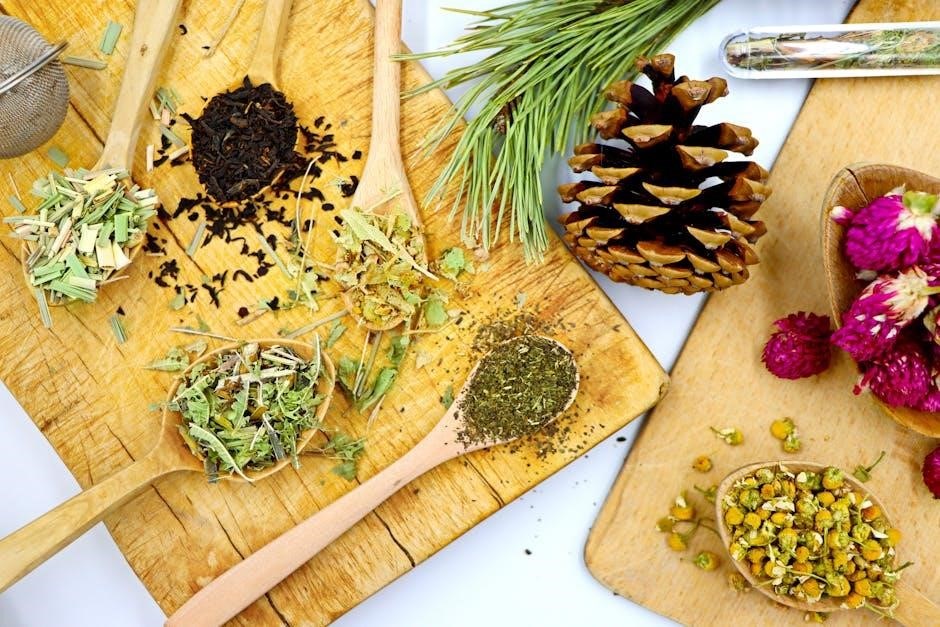
Brewing the Perfect Cup of Herbal Tea
Optimal brewing involves water temperature and time. Quality ingredients enhance flavor. Honey or lemon are delightful add-ins for a personalized‚ soothing experience.
Water Temperature & Brewing Time
Achieving the perfect infusion relies heavily on understanding water temperature and steeping time. Unlike black or green teas‚ herbal teas generally benefit from water just off the boil – around 200-212°F (93-100°C). This ensures optimal extraction of delicate flavors and beneficial compounds without scorching the herbs.
Delicate florals like chamomile require shorter steeping times‚ typically 3-5 minutes‚ to prevent bitterness. Root-based teas‚ such as ginger‚ and tougher herbs like rooibos‚ can withstand longer infusions of 7-10 minutes‚ allowing for a more robust flavor profile. Leafy herbs like peppermint generally steep well for 5-7 minutes.
Experimentation is key! Start with the recommended time and adjust to your preference. Covering the cup during steeping helps retain volatile oils‚ maximizing aroma and flavor. Remember‚ over-steeping can lead to a bitter taste‚ while under-steeping may result in a weak brew.
Choosing Quality Herbal Tea Ingredients
The foundation of a flavorful and beneficial cup lies in the quality of the ingredients. Opt for whole leaf or flower herbs whenever possible‚ as they retain more essential oils and flavor compared to powdered or broken pieces. Look for vibrant colors and a potent aroma – signs of freshness and proper storage.
Organic certification is highly recommended‚ ensuring the herbs are grown without harmful pesticides or chemicals. Consider sourcing from reputable suppliers who prioritize sustainability and ethical harvesting practices. Avoid teas with artificial flavors‚ colors‚ or fillers.
Inspect the packaging for airtight seals and clear labeling‚ including the botanical name of the herb. Properly stored herbs‚ shielded from light‚ air‚ and moisture‚ will maintain their potency and flavor for longer. Prioritize quality over price – a small investment yields a superior tea experience.
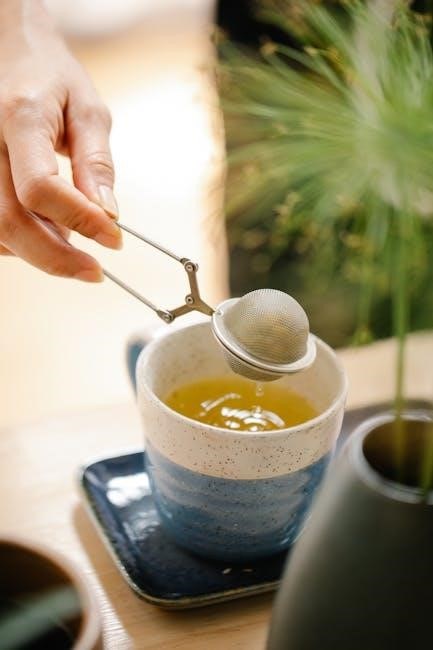
Sweeteners & Add-Ins (Honey‚ Lemon‚ etc.)
Enhancing your herbal tea is a personal journey! While many appreciate the pure flavor of the herbs themselves‚ sweeteners and add-ins can elevate the experience. Honey‚ with its nuanced floral notes‚ is a popular choice‚ offering a touch of sweetness and potential soothing properties for a sore throat.
Lemon juice brightens the flavor profile and adds a boost of Vitamin C. A slice of fresh ginger can amplify warming qualities‚ while a sprig of mint provides a refreshing twist. Consider spices like cinnamon for warmth or a dash of cayenne for a subtle kick.
Experiment cautiously‚ as some additions may interact with the herbs’ benefits. Natural sweeteners like maple syrup or agave are alternatives. Ultimately‚ the best additions are those that complement the tea’s inherent flavors and suit your individual preferences.

Potential Side Effects & Precautions
Be mindful of allergies and medication interactions. Pregnant or breastfeeding individuals should consult a healthcare professional before consuming herbal teas regularly.
Allergies & Interactions with Medications
Herbal teas‚ while generally safe‚ can trigger allergic reactions in sensitive individuals. Symptoms range from mild skin rashes to more severe respiratory distress. Always introduce new teas gradually to monitor for any adverse effects. Crucially‚ herbal teas can interact with certain medications‚ potentially altering their efficacy or increasing side effects.
For example‚ St. John’s Wort‚ often used for mood support‚ can interfere with antidepressants‚ birth control pills‚ and blood thinners. Ginger‚ known for its anti-inflammatory properties‚ may enhance the effects of blood-thinning medications. Similarly‚ chamomile can potentiate the sedative effects of tranquilizers and sleep aids.
It is essential to consult with a healthcare professional or pharmacist before incorporating herbal teas into your routine‚ especially if you are taking any prescription or over-the-counter medications. Disclosing all supplements and herbal remedies to your doctor ensures safe and effective healthcare.
Herbal Tea During Pregnancy & Breastfeeding
Navigating herbal tea consumption during pregnancy and breastfeeding requires extra caution. While some teas are considered safe‚ many lack sufficient research regarding their effects on fetal development or infant health. Certain herbs possess uterine-stimulating properties‚ potentially leading to miscarriage or premature labor. These include pennyroyal‚ sage‚ and parsley‚ and should be strictly avoided.
Even seemingly gentle teas like chamomile should be consumed in moderation‚ as excessive intake could have unintended consequences. During breastfeeding‚ some herbs can alter milk production or pass compounds to the baby‚ causing digestive upset or allergic reactions.
Prioritize caution and consult with your obstetrician or lactation consultant before consuming any herbal tea during these sensitive periods. Opting for well-researched‚ pregnancy-safe options in limited quantities is always the most prudent approach‚ ensuring both maternal and infant well-being.
Sourcing & Sustainability of Herbal Teas
The journey of your herbal tea begins long before it reaches your cup. Ethical sourcing and sustainable practices are crucial for protecting both the environment and the communities involved in cultivation. Look for brands that prioritize fair trade certifications‚ ensuring farmers receive equitable compensation for their labor.
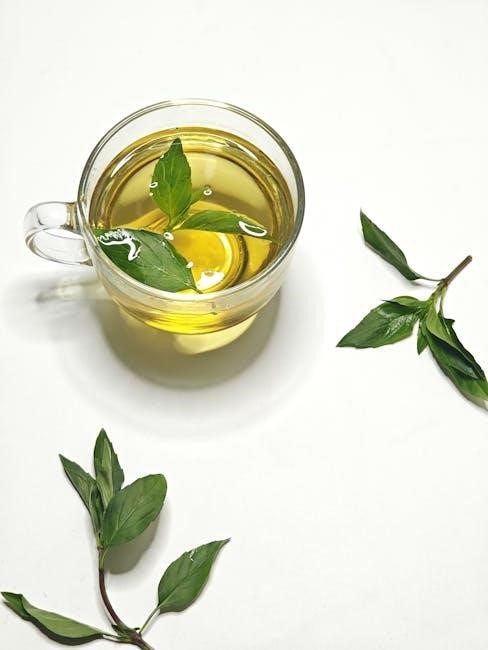
Consider organic certifications‚ which guarantee the herbs are grown without harmful pesticides or synthetic fertilizers. Wildcrafting‚ the practice of harvesting plants from their natural habitat‚ can be sustainable if done responsibly – ensuring populations are not depleted.
Transparency is key; reputable companies will readily share information about their sourcing practices. Supporting businesses committed to biodiversity‚ responsible land management‚ and minimizing their carbon footprint contributes to a healthier planet and a more sustainable herbal tea industry.