
Overview of xnxnxnxn Cube Algorithms
Explore the xnxnxnxn cube algorithms PDF‚ a collection of move sequences for solving the puzzle. The guide‚ sourced from Coursehero and Scribd‚ details corner orientation‚ edge placement‚ and last‑layer tricks‚ offering step‑by‑step instructions and visual aids for beginners and pros alike. Enjoy!
Structure and Dimensions of xnxnxnxn Cubes
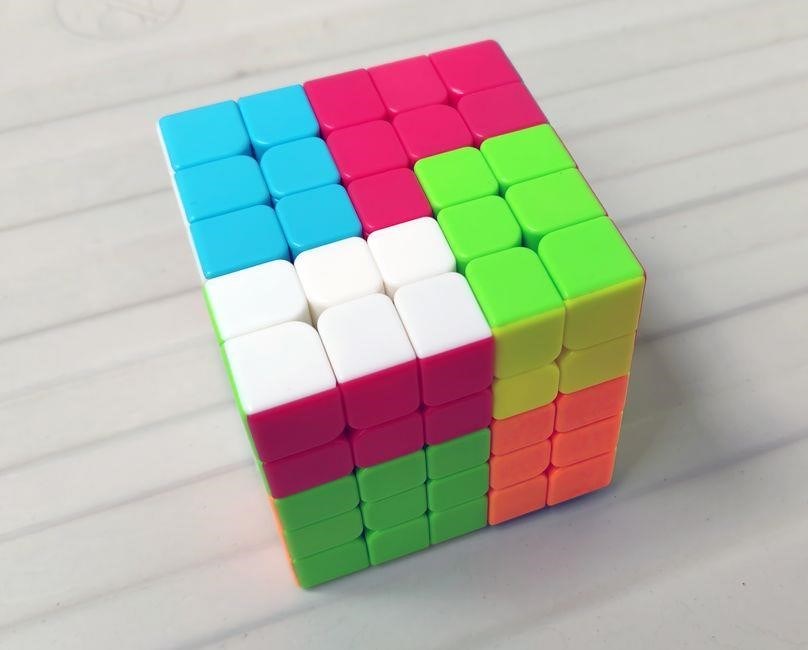
The xnxnxnxn cube expands the classic 3×3×3 framework into a larger lattice. Each side has n×n facelets; for 4×4×4 there are 16 per face‚ for 5×5×5 there are 25. Internally‚ a 4×4×4 contains 24 centers‚ 24 edges‚ and 8 corners‚ while a 5×5×5 adds another 24 centers and 24 edges‚ totaling 48 of each plus the 8 corners. This scaling introduces parity errors that do not appear in the 3×3×3‚ requiring extra routines such as parity correction.
Geometrically‚ the cube’s center is a fixed axis; the outer shell rotates around it. The outermost layer moves as a whole‚ while inner layers rotate independently‚ creating a multi-layered puzzle. A 4×4×4 has about 7.4×10^45 permutations‚ compared to 4.3×10^19 for the 3×3×3‚ illustrating the exponential growth that demands sophisticated notation.
The PDF guide illustrates each dimension with diagrams showing color layout‚ relative positions of centers‚ edges‚ and corners‚ and notation for moves such as R‚ L‚ U‚ D‚ F‚ B and their prime or double‑turn variants. It explains how to identify orientation‚ count layers from outside in‚ and use the layer‑by‑layer method for larger n. Mastering the structure lets solvers navigate the expanded search space and apply correct algorithms at each stage.
Additionally‚ the guide highlights common pitfalls such as mis‑counting inner layers and offers mnemonic aids for remembering complex move sequences‚ ensuring both novice and cubers can progress efficiently through the intricate layers of the xnxnxnxn puzzle.!! Practice these steps daily for mastery. and speed!!
Algorithmic Categories for xnxnxnxn Cubes
In the xnxnxnxn cube algorithms PDF‚ the move set is split into distinct categories that reflect the puzzle’s larger geometry. The first set‚ corner‑oriented algorithms‚ handles the eight fixed corners‚ offering sequences that flip or permute them while keeping the rest intact. These routines are vital for the final layer‚ where orientation often determines the solve’s outcome.
The second set‚ edge‑placement algorithms‚ targets the 12×(n−2) edge pieces that appear in every inner layer. The PDF lists dedicated patterns for swapping adjacent edges‚ correcting parity‚ and aligning them into their correct positions. These moves are more complex than on a 3×3×3 because of the increased number of edge types and the need to avoid disrupting solved layers.
Finally‚ parity‑correction algorithms address the impossible situations that arise on even‑sized cubes‚ such as a single flipped edge or a swapped pair. The guide provides concise sequences that resolve these issues‚ allowing solvers to return the puzzle to a solvable state before applying standard layer‑by‑layer techniques.
By mastering these algorithm families‚ solvers can tackle any configuration of the xnxnxnxn cube with confidence and speed‚ turning a daunting puzzle into a systematic‚ enjoyable challenge.
Practice regularly‚ review each routine‚ and experiment with variations to deepen understanding and improve solving efficiency.
Remember‚ consistency and patience are key; even small improvements compound over time!!!.
Common Solving Techniques
The xnxnxnxn cube algorithms PDF outlines several proven methods that simplify the solving process. First‚ the layer‑by‑layer approach is recommended: solve the first layer’s corners‚ then the middle layers’ edges‚ and finish with the top layer’s orientation. This method mirrors the classic 3×3 strategy but expands to handle the extra middle layers.
Second‚ the cross‑first technique builds a full cross on the bottom face before addressing the remaining pieces. By aligning all edge pieces early‚ the solver reduces the complexity of later moves and keeps the puzzle’s orientation stable.
Third‚ the PDF introduces the parity‑fix routine‚ essential for even‑sized cubes. When a single edge pair is swapped or a single edge is flipped‚ a short algorithm restores solvability without disrupting the solved layers. Practicing this routine prevents frustration during the final stages.
Finally‚ the guide encourages finger‑trick practice to speed up execution. By learning efficient turns and minimizing cube rotations‚ solvers can execute the listed algorithms with higher precision and lower fatigue.
The PDF also details a block‑building strategy that groups edge pieces into 2×2 blocks before integrating them into the middle layers. This reduces the number of required swaps and keeps the cube’s orientation stable‚ making the solving process more intuitive.
Additionally‚ the PDF offers a speed‑cubing checklist that highlights key algorithmic improvements‚ finger‑style optimizations‚ and practice drills. By following this checklist‚ solvers can systematically reduce solve times and develop muscle memory for the used sequences.

Advanced Last‑Layer Methods
The xnxnxnxn cube algorithms PDF emphasizes advanced last‑layer techniques that streamline final positioning. One key method is the Winter Variation‚ which orients all top corners during the insertion of the last pair. By solving corner orientation first‚ the algorithm can skip the traditional OLL step if all edges are already oriented. Another advanced strategy is the Parity‑Free Last Layer‚ designed for even‑sized cubes. It uses a set of parity‑fix algorithms that resolve the common edge‑swap and edge‑flip situations without disturbing the solved layers. The guide also covers the Edge‑First Last Layer method‚ where the solver first orients all edges before addressing corners. This inversion of the typical order can be advantageous when the cube’s orientation is unstable. Finally‚ the PDF recommends a Finger‑Speed Optimization routine‚ which trains solvers to execute last‑layer algorithms with minimal turns‚ thereby reducing overall solve time. The PDF also includes visual diagrams for each algorithm‚ allowing users to see the exact piece movements before practicing. This resource serves as a comprehensive reference for both beginners and seasoned cubers‚ enabling efficient practice and mastery of the xnxnxnxn cube. Practice daily for best results!!!!!

PDF Format and Accessibility
The xnxnxnxn cube algorithms PDF is available in a lightweight‚ universally compatible format that works across Windows‚ macOS‚ Linux‚ iOS‚ and Android devices. The file size is typically under 2 MB‚ making it quick to download and easy to share via email or cloud services. Its PDF/A compliance ensures long‑term preservation‚ so the document remains readable years after initial download. Accessibility features are built into the PDF: the text is selectable‚ allowing screen‑reader users to navigate the algorithm lists by heading‚ subheading‚ and algorithm number; The document also includes a fully tagged structure‚ with h1–h3 tags for sections‚ ol lists for step sequences‚ and blockquote for key algorithm notes. Users can adjust the zoom level without loss of clarity‚ thanks to vector graphics for diagrams. For those who prefer audio guidance‚ the PDF contains an embedded audio track that explains each algorithm in plain English‚ which can be played directly from the PDF reader. The file is also optimized for mobile screens‚ with responsive layout that reflows text and images to fit portrait and landscape orientations. Because the PDF is DRM‑free‚ it can be opened in any standard reader‚ including Adobe Acrobat Reader‚ Foxit‚ and the built‑in reader on most smartphones. Additionally‚ the PDF contains a search function that allows users to quickly locate specific algorithm names or move sequences‚ saving time during practice sessions.
Downloading from Coursehero
To obtain the xnxnxnxn cube algorithms PDF from Coursehero‚ navigate to https://www.coursehero.com/file/143996707/xnxnxnxn-cube-algorithmspdf/. Enable JavaScript and cookies when prompted‚ then click the “Download” button. If a Cloudflare page appears‚ clear your cache or switch browsers. After saving‚ you can view or print the file for practice.Enjoy.
After downloading‚ verify the file’s integrity with tools like md5sum or SHA‑256. Coursehero’s metadata lists the author “Coursehero” and creation date aiding authenticity checks. Mobile users can use the Coursehero app’s offline mode. If the transfer stalls‚ a download manager such as Internet Download Manager can resume it. Store a backup on cloud services like Google Drive or Dropbox to prevent data loss.
When practicing‚ use the PDF’s built‑in search to locate specific algorithm names quickly. Bookmark frequently used sections for quick access during solving sessions. You can also print the PDF in double‑column format to fit more algorithms on a single sheet‚ which is handy for on‑the‑go training. For collaborative learning‚ share the PDF via secure links or email attachments‚ ensuring recipients have a PDF reader.
Because the PDF is lightweight‚ it loads instantly on most devices‚ making it ideal for offline practice during commutes or flights. You can annotate the PDF directly using PDF annotation tools‚ marking steps that need improvement. After annotating‚ save a new copy to preserve your notes.

Pinterest Inspiration and Community Ideas
Discover a vibrant network of cube enthusiasts on Pinterest‚ where the xnxnxnxn cube algorithms PDF is showcased alongside creative tutorials‚ visual guides‚ and user‑generated tips. The board titled “xnxnxnxn cube algorithms pdf” features step‑by‑step images‚ color‑coded move sets‚ and printable cheat sheets that help solvers of all skill levels.
Community members frequently pin their own algorithm variations‚ offering alternative sequences for corner orientation or edge placement that reduce move counts. These pins often include short video clips demonstrating the algorithm in action‚ allowing viewers to see the effect of each twist before attempting it on their own cube.
Engagement is encouraged through comments where solvers discuss the efficiency of different methods‚ share personal progress‚ and ask for clarification on tricky steps. Some users even host live Q&A sessions‚ using the PDF as a reference to answer real‑time questions from followers.
Additionally‚ the Pinterest feed aggregates seasonal challenges‚ such as “Winter Variation” contests‚ where participants submit solutions that incorporate the PDF’s advanced last‑layer techniques. Winners receive featured pins and community recognition‚ motivating others to experiment with new strategies.
By the board‚ you access a growing repository of algorithms‚ from beginner diagrams to expert tricks‚ all centered around the xnxnxnxn cube PDF. This community supports and sharing.
Security and Access Issues (Cloudflare)
When users attempt to download the xnxnxnxn cube algorithms PDF from popular educational repositories‚ many encounter a Cloudflare security prompt. The service‚ designed to mitigate automated scraping and malicious traffic‚ flags certain request patterns—such as rapid repeated downloads or the presence of specific query strings as suspicious. Consequently‚ legitimate visitors are presented with a verification page that requires JavaScript execution and cookie acceptance. If the browser environment fails to meet these prerequisites‚ the request is blocked‚ and a generic error message appears. The message often includes a Ray ID‚ which can be forwarded to the site administrator for troubleshooting. For students and hobbyists‚ this interruption can be frustrating‚ especially when the PDF contains essential algorithms for solving the cube. Workarounds include using a different browser‚ clearing cache‚ or temporarily disabling browser extensions that interfere with JavaScript. In some cases‚ contacting the host via the provided support channel and providing the Ray ID allows the administrator to whitelist the user’s IP; While Cloudflare effectively protects the source‚ it also underscores the need for secure‚ user‑friendly access pathways for educational content. By staying informed about Cloudflare’s verification steps and utilizing alternative download methods‚ enthusiasts can minimize downtime‚ ensuring continuous access to the PDF and maintaining momentum in their cubing practice. and keep solving daily.!!
Alternative PDF Sources (Scribd)
Discover a reliable alternative to the original Coursehero file by turning to Scribd‚ a platform that hosts a vast library of user‑generated documents. The xnxnxnxn cube algorithms PDF is available in full‚ downloadable format‚ and can be viewed online with a simple click. The Scribd version offers a clean‚ scroll‑friendly interface that allows you to read the algorithms line by line‚ while the download button provides a convenient PDF copy for offline practice. Users can also bookmark sections‚ add personal notes‚ and share the document with fellow cubers‚ making it a collaborative hub for learning. The file’s metadata shows it was uploaded on 15 Sep 2026‚ ensuring that the content reflects the latest algorithmic developments and winter‑variation techniques. Since Scribd operates on a freemium model‚ free users can access the document after creating an account‚ while premium members enjoy ad‑free viewing and higher download limits. If you encounter any access issues‚ the platform’s help center offers troubleshooting steps for login problems‚ browser compatibility‚ and download errors. By leveraging Scribd’s robust infrastructure‚ you can bypass the Cloudflare restrictions that sometimes block direct downloads from other sites‚ and maintain uninterrupted access to the full set of xnxnxnxn cube algorithms. Moreover‚ the PDF includes interactive diagrams that illustrate the orientation of each corner and edge‚ allowing users to visualize the impact of each algorithm step before applying it to the physical cube. This visual aid is particularly beneficial for solvers aiming to deepen their understanding of the cube’s mechanics. Print the PDF view it on a tablet for reference today.
Winter Variation in xnxnxnxn Cubes
Winter variation‚ a specialized last‑layer technique for the xnxnxnxn cube‚ focuses on orienting all top‑layer corners during the insertion of the final pair. By ensuring that every corner is correctly positioned before the final edge placement‚ the method allows solvers to skip the conventional OLL step if all edges are already oriented. This approach simplifies the endgame‚ reducing move counts and improving overall efficiency. The algorithm set includes distinct sequences for orienting three‚ two‚ one‚ or none of the remaining corners‚ each designed to be quickly recognizable during a live solve. For instance‚ the “3‑corner” algorithm rotates the last pair while simultaneously aligning the three unsolved corners‚ whereas the “0‑corner” routine handles the rare case where all corners are already oriented‚ requiring only a minimal adjustment. The winter variation is particularly useful for advanced cubers who have mastered standard OLL patterns‚ as it offers a streamlined path to completion. Practicing these sequences in a timed environment helps reinforce muscle memory‚ ensuring that the solver can execute the correct routine under pressure. Additionally‚ the variation’s reliance on edge‑oriented solving methods makes it compatible with many edge‑oriented solving methods‚ allowing for seamless integration into existing workflows. The PDF guide provides step‑by‑step illustrations‚ notation explanations‚ and example scenarios‚ making it accessible to both newcomers and seasoned practitioners. By mastering winter variation to achieve faster solve times‚ lower move counts‚ and a deeper appreciation for the cube’s underlying symmetry. The method’s elegance lies in its ability to transform a traditionally complex last‑layer phase into a concise‚ repeatable sequence that can be executed with confidence during competitive play. Embrace the winter variation to elevate your solving repertoire and enjoy a smoother‚ more efficient finish on the xnxnxnxn cube ste
Algorithm Examples: Corner Orientation
Corner orientation is the final step in many xnxnxnxn cube solutions‚ ensuring each corner piece is correctly rotated while staying in place. The PDF guide lists a concise set of move sequences that can be applied after the last layer is assembled. Below are the most common patterns‚ each expressed in standard cube notation (R‚ U‚ L‚ F‚ D‚ B‚ and their inverses).
- Case 1: One corner misoriented –
R U R' U R U2 R'. This sequence rotates the misoriented corner clockwise‚ leaving all other pieces untouched. - Case 2: Two adjacent corners misoriented –
R' D' R D R' D' R D R' D' R D R'. This algorithm flips two corners simultaneously. - Case 3: Two opposite corners misoriented –
R U R' U' R' F R2 U' R' U' R U R' F'. It corrects two corners that are opposite each other on the top layer; - Case 4: Three corners misoriented –
R' U' R U' R' U2 R U' R' U R U R'. This routine cycles the three misoriented corners‚ leaving one correctly oriented.
Each algorithm is designed to preserve the positions of the edges and the rest of the cube‚ making them ideal for use in a timed solve. Practicing these moves in isolation builds muscle memory‚ allowing you to recognize the required pattern fast! instantly during a full solve. The PDF also includes visual diagrams for each case‚ which help clarify the orientation of the corners before and after the algorithm is applied.

Algorithm Examples: Edge Placement
The PDF provides a set of concise edge‑placement algorithms that can be used after the middle layer is solved. These sequences keep the cube’s orientation intact while inserting or swapping edges into their correct positions. Below are the most frequently cited patterns‚ expressed in standard cube notation (R‚ U‚ L‚ F‚ D‚ B and their inverses).
- Case 1: One edge in the wrong position –
R U R' U' R' F R2 U' R' U' R U R' F'. This routine moves a single misplaced edge into its slot without disturbing the rest of the cube. - Case 2: Two adjacent edges need swapping –
R U R' U' R' F R2 U' R' U' R U R' F' R U R' U'. This algorithm swaps two neighboring edges while leaving all other pieces unchanged. - Case 3: Two opposite edges are swapped –
R' U' R U' R U2 R' U' R U' R' U R U R'. This sequence exchanges two edges that are opposite each other on the top layer. - Case 4: Three edges misoriented –
R U R' U' R' F R2 U' R' U' R U R' F' R' U' R U R'. This routine cycles three edges‚ correcting their positions.
Practicing these algorithms in isolation builds muscle memory‚ enabling quick recognition of the required pattern during a full solve. The PDF includes visual diagrams for each case‚ illustrating the edge’s orientation before and after the algorithm is applied.
Using PDFs for Practice Sessions
When training with the xnxnxnxn cube algorithms PDF‚ the first step is to print or view the document on a tablet. The PDF’s clear layout allows you to isolate each algorithm category—corner orientation‚ edge placement‚ and last‑layer methods—making it easy to focus on one set at a time. Begin with the most frequently used sequences‚ such as the edge‑placement routines‚ and practice them until you can execute them in under five seconds without looking at the page.
After you’ve mastered the basics‚ use the PDF’s built‑in diagrams to test recognition speed. Flip the page to the algorithm’s diagram‚ then attempt to solve the same pattern on a live cube. This “diagram‑to‑cube” drill reinforces visual memory and helps you spot mis‑oriented pieces more quickly. Finally‚ schedule timed session: set a timer for 15 minutes‚ pick random algorithm from the PDF‚ and solve it as many times as possible Record your times‚ compare them across sessions‚ and adjust your focus on the algorithms that lag behind. Consistent‚ data‑driven practice turns the PDF from a reference guide into a powerful training tool
Many users prefer to annotate the PDF directly. Most PDF readers support highlighting and sticky notes‚ so you can mark the most troublesome algorithms or add personal shorthand. When you’re working on a mobile device‚ consider using a stylus to write on the screen; this tactile feedback can improve retention of move sequences daily.
Finally‚ share your progress with the online cubing community. Upload screenshots of solved patterns‚ post your time logs‚ and ask for feedback on your technique. Many forums and Discord servers have dedicated channels for PDF‑based practice‚ where experienced cubers can suggest tweaks to your routine or recommend complementary drills. Engaging with peers not only keeps motivation high but also exposes you to alternative approaches that may fit your learning style better!
Concluding Recommendations
Finally‚ integrate the PDF into a structured weekly plan: allocate 30 minutes on Mondays for corner orientation drills‚ 30 minutes on Wednesdays for edge placement‚ and 30 minutes on Fridays for last‑layer algorithms. Use a timer to enforce strict time limits‚ and record each run in a logbook or spreadsheet. Review the log weekly to spot patterns—perhaps you consistently mis‑oriented a specific edge pair or mis‑applied a corner algorithm. In such cases‚ revisit the corresponding PDF diagram‚ practice the sequence until you can perform it without hesitation‚ and then re‑test. Over time‚ this systematic approach will not only reduce your average solve time but also deepen your conceptual understanding of the cube’s mechanics. Additionally‚ consider pairing with a training partner: exchange PDFs‚ compare notes‚ and challenge each other with timed solves. This social element can boost motivation and expose you to alternative solving styles that may complement your own. Remember that consistency is key; even a brief daily review of a single algorithm can accumulate significant gains over weeks. Finally‚ keep the PDF updated: as new methods emerge or you discover more efficient sequences‚ annotate and save the revised version. This living document will evolve alongside your skill level‚ ensuring that you always have the most effective tools at your fingertips. Consistent practice‚ coupled with deep analysis‚ transforms a routine routine into a mastery that feels so effortless.